Tucson Orbs video below. Visit: Tucson Orbs page above for pics/info!
This Website is dedicated for those that have an interest in Spirituality-Consciousness' and Truths. Perhaps many will think this is an expose on the conditions of the present days World Religious System which I believe lacks Spirituality and treats it as a Business. If so you are correct. I am not to judge but merely present information according to my research, a reminiscent of front!
Visit Jordan's Maxwells work at: https://www.jordanmaxwellvideos.com/ and let yourself decide its' outcome.
What if the original "Ark of the Covenant" is in Aksum in the small chapel "Mary of Zion" guarded by one man for life in Ethiopia?
Ark is not meant for spectacle-not avoidance (Timket)-but rather for reverence. "The Return of Divine Light for the prepared".
The greatest obstacle to discovery is not ignorance-it is the illusion of knowledge. See: Psalms: 68
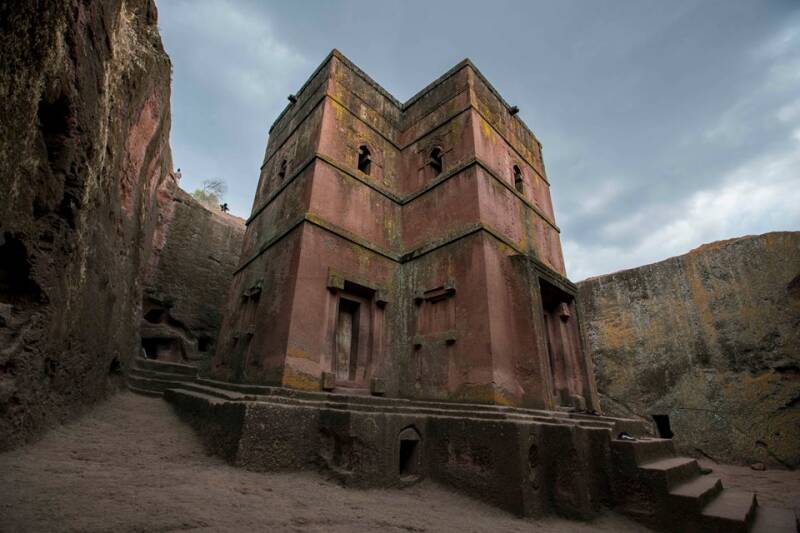
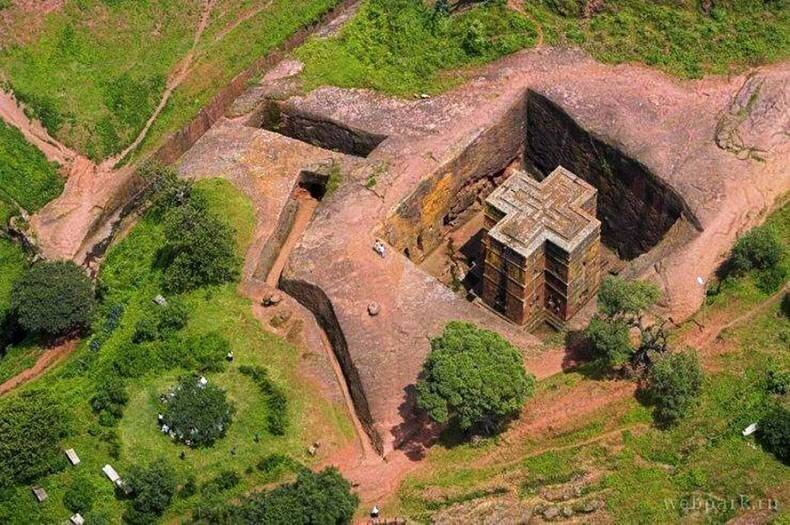
BELOW Churches of Lalibela in Ethiopia, cut from solid rock hidden from the horizon, 11 were built.

The "Bells of Aksum" which is an unabridged manuscript from the 4th century AD handwritten in sacred Ethiopian liturgical language of Ge'ez (pronounced gay-ez), either 81 or 88 books-compared to the 66 books of the King James Version and the 72 books of the Catholic religion, guarding the secrets lost to the deserts of sands for centuries. Ethiopian Monks released the sacred resurrection passages which recently uprooted the foundations of theological thinkers overnight which includes the subversion of the Easter Story.
Discovered at Debre Damo monastery in Ethiopia written and unabridged by western influences including the Roman Empire were complete books of: "Book of Enoch", "Book of Jubilees", "Resurrection Passage" amongst others by the local scribes.
Fragment 27B recovered recently (late 2025) at Debre Damo, a secluded monastery which can only be accessed by climbing a 50 foot goats hair rope and hours journey over rough terrain, insured the authenticity of the tablets of over 1500 years ago presenting a biological and physical firewall of preservation from those that would want to change history to fit their needs of control with a centralized institutionalized structure.
The Garima Gospels which was to share with the World unadulterated parables including an alternate resurrection of Yeshua (Jesus) 0f cosmic events carbon dated from 390-660 AD which circumvents the fabric of reality itself with trans dimensional influences absorbed into luminous changes and is one of the oldest illustrated Christian Texts to this day. Preceding the 325 AD Council of Nicaea at Constantinople without it's influences of Constantine and Helena.

Debre Damo Monastery: A Spiritual Haven Perched on a Cliff
Access to the monastery is limited to men and requires climbing a 15 meter rope tied to a leather harness.
is a must-visit destination for those seeking spirituality and adventure in Ethiopia.
Nestled high atop a sheer cliff in northern Ethiopia, Debre Damo Monastery is one of the country’s most sacred and ancient monastic sites. Founded in the 6th century by Saint Dawit (David), this UNESCO World Heritage Site offers breathtaking views, rich history, and a glimpse into the enduring traditions of Ethiopian Orthodox Christianity. In this blog, we’ll explore what makes Debre Damo Monastery so special and why it’s a must-visit destination for travelers seeking spirituality and adventure. Debre Damo Monastery: A Spiritual Haven Perched on a Cliff. Our answers are within as well as the questions.
The History of Debre Damo Monastery
Debre Damo Monastery holds a significant place in Ethiopian religious history. Established in the 6th century by Saint Dawit, one of the Nine Saints credited with spreading Christianity in Ethiopia, the monastery became a center for learning, prayer, and manuscript preservation.
- Early Beginnings: Saint Dawit chose the remote and inaccessible location to create a secluded sanctuary for monks. Over time, it grew into a hub for monastic life.
- Manuscript Preservation: The monastery houses some of the oldest and most valuable manuscripts in Ethiopia, including illuminated texts and historical documents that date back centuries.
What Makes Debre Damo Monastery Unique?
Debre Damo Monastery stands out not only for its historical importance but also for its extraordinary setting and traditions.
- Incredible Location:
Perched on a flat-topped mountain surrounded by steep cliffs, the monastery offers panoramic views of the surrounding landscape. Its isolation adds to its mystique and spiritual allure. - Challenging Accessibility:
Access to the monastery is limited to men and requires climbing a 15-meter rope tied to a leather harness. This tradition has been maintained for centuries, emphasizing the site’s exclusivity and reverence. - Architectural Marvels:
Inside the monastery, visitors can admire ancient structures like St. Dawit’s Church, adorned with vibrant frescoes and intricate carvings that reflect the artistic brilliance of early Ethiopian Christian art.
Why Visit Debre Damo Monastery?
A journey to Debre Damo Monastery is more than just a tourist experience—it’s a pilgrimage into Ethiopia’s rich cultural and spiritual heritage. Here’s what you can expect:
- Spiritual Insight: Immerse yourself in the daily lives of the monks and witness the timeless rituals of Ethiopian Orthodox Christianity.
- Breathtaking Views: Enjoy stunning vistas of the rugged countryside from the monastery’s elevated perch.
- Cultural Significance: Gain a deeper understanding of Ethiopia’s role in shaping early Christianity and preserving its traditions over millennia.
How to Get There
Reaching Debre Damo Monastery involves a combination of road travel and a challenging ascent. Here’s how to plan your trip:
- Travel to Adigrat: Start your journey in Adigrat, a town in Tigray Region, which serves as the gateway to the monastery.
- Hire a Guide: Local guides are essential for navigating the terrain and ensuring a safe climb up the rope.
- Prepare for the Climb: Be physically prepared for the rope ascent, which requires moderate fitness and courage.
Tips for Visiting Debre Damo Monastery
To make the most of your visit, follow these tips:
- Respect Local Customs: Dress modestly and adhere to the rules, such as the restriction on women entering the monastery.
- Plan Ahead: Arrange your visit during the dry season (October to May) for better weather conditions.
- Photography Etiquette: Always ask permission before taking photos, especially inside the monastery or of the monks.
- Support Local Communities: Purchase souvenirs or hire local guides to contribute to the local economy.
Conclusion
Debre Damo Monastery is a testament to Ethiopia’s deep-rooted spiritual traditions and architectural ingenuity. Its dramatic location, rich history, and serene atmosphere make it an unforgettable destination for those seeking adventure, culture, and faith. Whether you’re a history enthusiast, a spiritual pilgrim, or simply someone who appreciates natural beauty, Debre Damo Monastery promises an experience like no other. Start planning your visit today and uncover the mysteries of this remarkable cliffside haven. Debre Damo Monastery: A Spiritual Haven Perched on a Cliff.
Create Your Own Website With Webador